Source Electric Start Pipe Unclogger for Drain, Sewer, and Industrial Use
Compare 30 electric start pipe unclogger options from verified Chinese manufacturers. Buyers can evaluate specifications like voltage, power, and pipe diameter clearance to find the right industrial cleaning solution for their needs; compare the available evidence and request quotations based on your requirements.
Key considerations
Products List
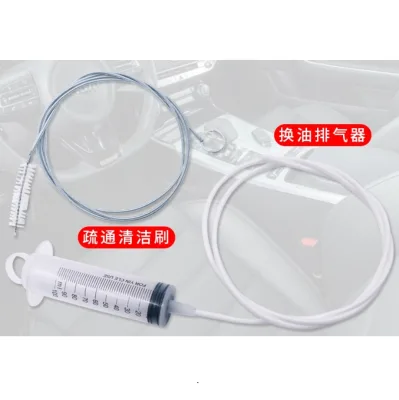
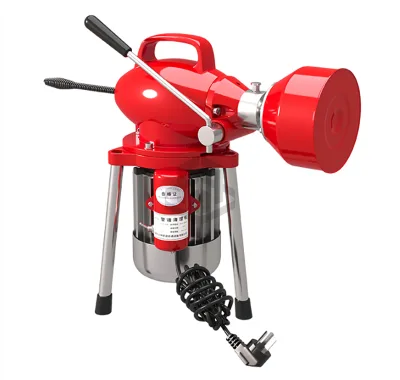

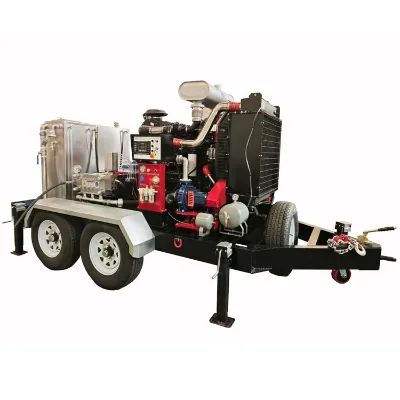
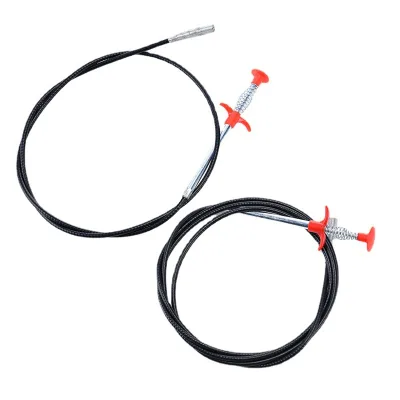





Comprehensive Sourcing Guide
Electric Start Pipe Unclogger Sourcing Guide
Procuring an electric start pipe unclogger requires a clear understanding of the distinct mechanical architectures available in the industrial market. Buyers must distinguish between high-pressure water jet systems and mechanical spring-based dredging tools, as these serve fundamentally different clogging scenarios. The core keyword often encompasses both technologies, yet their operational principles, power requirements, and maintenance needs vary significantly. A thorough initial assessment of the specific blockage type—whether it is solid debris, scale, or organic matter—is essential before evaluating machine capabilities.
The sourcing landscape for these devices is diverse, with manufacturers primarily located in industrial hubs such as Guangdong and Henan in China. Listings frequently display a wide range of specifications, from compact units with 250W motors to heavy-duty industrial cleaners rated at 160kW. Buyers should approach these listings with caution, recognizing that a single product page may aggregate multiple distinct models under a generic title. Verifying the exact model number and technical configuration is critical to ensuring the selected equipment matches the intended operational environment and throughput requirements.
Product Scope and Observed Listing Signals
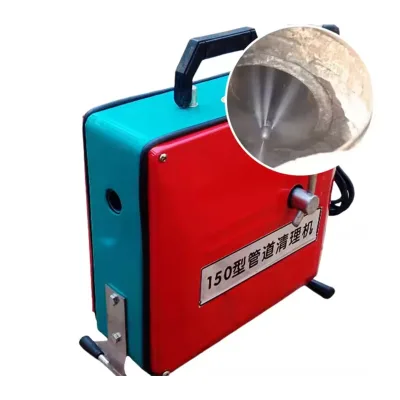
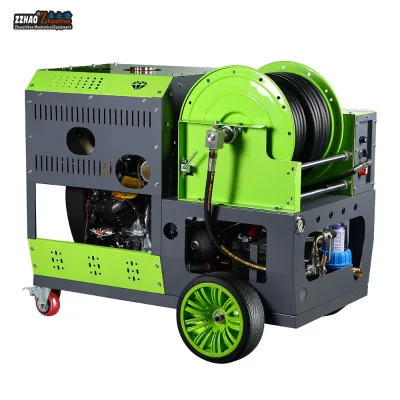
The observed market signals indicate a broad spectrum of product types grouped under similar search terms. Some listings describe electric uncloggers with 250W power and 220V voltage, featuring stainless steel tubes and a 45-meter dredging scope. These units typically operate at 400rpm and are designed for smaller diameter pipes, with clearance ranging from 20mm to 200mm. Other listings highlight high-pressure industrial cleaners with 190kW power, 2500bar water pressure, and diesel or electric power sources. These larger machines are often intended for container or bottle cleaning, featuring multiple nozzles and significant physical dimensions.
Buyers must carefully parse the "More details" sections, as many suppliers explicitly state that specific configurations require direct contact. The presence of multiple model numbers, such as FC-80, FC-75, and Bz-96-192gt, on a single page suggests a catalog aggregation rather than a single product definition. The weight of these machines varies drastically, from lighter units to those weighing 30kg or more, reflecting differences in motor size and structural materials. Understanding these variations helps buyers filter out irrelevant listings and focus on suppliers offering the specific mechanical solution required for their pipeline infrastructure.
Technical Specifications to Verify
When evaluating technical specifications, the power source and voltage compatibility are paramount for integration into existing facilities. Electric models may operate on 220V or 380V systems, with power ratings spanning from 250W to 160kW. Buyers must verify the motor type, whether it is an electric motor or diesel-powered, and ensure the electrical infrastructure can support the rated load. For high-pressure units, the plunger diameter, stroke length, and flow rate are critical performance indicators. A typical industrial cleaner might feature a 22mm plunger diameter, a 120mm stroke, and a flow rate of 30L/min, which directly impacts cleaning efficiency and cycle times.
The mechanical design of the unclogging tool also requires close scrutiny. For spring-based systems, the spring diameter, typically 10mm or 16mm, and the maximum number of cells, up to 64CS, determine the flexibility and reach of the cable. The control mode, which may include PLC, frequency control, or touch screen interfaces, affects operational precision and ease of use. Additionally, the protection level, such as IP44, indicates the machine's resistance to dust and water ingress, which is vital for outdoor or wet industrial environments. Buyers should request detailed dimensional drawings to ensure the equipment fits within their designated installation space.
Compliance and Safety Documentation
Compliance with international safety and quality standards is a non-negotiable aspect of industrial equipment procurement. Many suppliers list CE and ISO certifications, which serve as baseline indicators of adherence to European safety directives and quality management systems. Buyers should request copies of these certificates to verify their validity and scope, ensuring they cover the specific model being purchased. The presence of RoHS certification may also be relevant for components containing hazardous substances, particularly in electronics and motors. These documents provide assurance that the manufacturing processes meet recognized regulatory benchmarks.
Safety features and operational safeguards must be explicitly documented in the product manual and technical datasheets. For high-pressure systems, the maximum working pressure of 2500bar poses significant risks if not properly managed. Buyers must verify the inclusion of pressure relief valves, emergency stop mechanisms, and secure coupling systems for hoses and nozzles. The warranty period, often listed as one year, should be clearly defined in terms of coverage for motors, pumps, and structural components. Understanding the after-sales service provisions, such as the availability of engineers for overseas machinery servicing, is crucial for minimizing downtime in critical operations.
Cost Drivers and Commercial Terms
The cost of an electric start pipe unclogger is influenced by several key factors, including motor power, material quality, and automation level. High-power units with 160kW motors and advanced PLC controls command significantly higher prices than basic 250W electric models. The use of premium materials, such as stainless steel for unclogging tubes and heavy-duty metal coils, also contributes to the overall cost. Buyers should expect a wide price range, from under $1 to nearly $100,000, depending on the complexity and capacity of the machine. It is essential to request detailed quotations that break down costs for the main unit, accessories, and optional features.
Commercial terms, including minimum order quantity (MOQ) and packaging, vary among suppliers. MOQs can range from a single unit to 10,000 pieces, reflecting the supplier's production capacity and business model. Packaging is typically specified as a plywood case for larger industrial machines to ensure safe transit. Buyers should clarify whether the quoted price includes shipping, insurance, and customs duties, as these can significantly impact the total landed cost. Negotiating clear payment terms and delivery schedules is also important, especially for large orders or custom-configured units that require additional manufacturing time.
Supplier Qualification and Quality Control
Supplier qualification involves verifying the manufacturer's production capabilities and quality assurance processes. Buyers should prioritize suppliers with established facilities in recognized industrial regions, such as Guangdong and Henan, China. Requesting a virtual or physical factory tour can provide insights into the assembly lines, testing procedures, and quality control checkpoints. Suppliers that offer customization services demonstrate flexibility and a customer-centric approach, which can be beneficial for specialized applications. However, buyers must ensure that customizations do not compromise the structural integrity or safety of the equipment.
Quality control measures should be explicitly outlined in the procurement agreement. This includes pre-shipment inspections, functional testing of motors and pumps, and verification of dimensional accuracy. Buyers may consider engaging third-party inspection agencies to conduct independent quality checks before final payment. The availability of detailed technical documentation, including assembly manuals, maintenance guides, and spare parts lists, is a strong indicator of supplier professionalism. Establishing a clear communication channel with the supplier's technical support team ensures that any issues during installation or operation can be resolved promptly.
Long-Term Procurement Checks
Long-term procurement success depends on the availability of spare parts and ongoing technical support. Buyers should verify the supplier's inventory of critical components, such as plunger seals, nozzles, and motor brushes, to minimize downtime during maintenance. The industry used, whether electronic, food processing, or general industrial cleaning, dictates the frequency of maintenance and the type of wear parts required. Suppliers that provide comprehensive after-sales service, including remote troubleshooting and on-site engineering support, offer greater value over the equipment's lifecycle.
Regular performance monitoring and preventive maintenance are essential for extending the lifespan of the pipe unclogger. Buyers should establish a maintenance schedule based on the manufacturer's recommendations, including lubrication, electrical checks, and pressure testing. Keeping a record of operational hours and maintenance activities helps in predicting component failures and planning replacements. By building a strong relationship with the supplier and maintaining detailed operational records, buyers can optimize the total cost of ownership and ensure reliable performance in their industrial processes.
FAQs
What is the voltage requirement for the electric start pipe unclogger?
The device operates on 220 V or 380 V depending on the specific model configuration. Some units are rated for 220 V while others support 380 V to accommodate different industrial power standards. Always verify the voltage rating before installation to ensure safe operation.
Which certifications does the pipe unclogger machine hold?
The product holds CE and ISO certifications to ensure compliance with international safety and quality standards. These certifications indicate that the machinery meets specific regulatory requirements for electrical safety and manufacturing quality. Buyers should request documentation to verify these credentials.
Can the pipe unclogger be customized for specific industrial needs?
Yes, customization is available for this electric start pipe unclogger to meet unique operational requirements. Buyers can request specific modifications to the spring diameter, tube length, or control modes like PLC or touch screen interfaces. Contact the supplier directly to discuss detailed customization options.
What is the warranty period for the electric start pipe unclogger?
The machine comes with a standard one-year warranty covering manufacturing defects and component failures. This warranty ensures protection against early operational issues and provides peace of mind for industrial buyers. Extended warranty options may be available upon request from the manufacturer.
How does the pipe unclogger handle different pipe diameters?
The device is designed to clear pipes with diameters ranging from 20mm to 200mm effectively. It utilizes stainless steel uncloggers with spring diameters of 10mm or 16mm to navigate various pipe sizes. This versatility makes it suitable for diverse industrial drainage and cleaning applications.
What is the maximum scope of dredging for this machine?
The machine offers a maximum dredging scope of 45 meters for efficient pipe clearing operations. This range allows it to handle long-distance blockages in industrial piping systems without requiring multiple setups. The 1.5-meter power cord length supports mobility within standard facility layouts.
Which control modes are available for the electric start pipe unclogger?
Available control modes include PLC, frequency control, and an optional touch screen interface for enhanced operation. These modes allow operators to adjust rotational speed and power output precisely for different clogging scenarios. The specific configuration depends on the model selected by the buyer.